

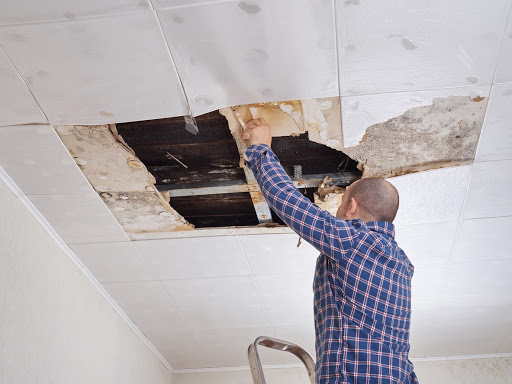
When it comes to maintaining a home or commercial property, the roof is undeniably one of the most critical components. Yet, it’s also one of the most expensive to repair or replace, especially when leaks go unnoticed or unresolved. A small leak can quickly escalate into a major issue, leading to structural damage, mold growth, and ultimately, sky-high repair bills. However, the good news is that with early detection and smart, cost-effective strategies, you can prevent leaks from causing havoc on your roofing system and your wallet. In this article, we will uncover cost-saving secrets using leak detection methods that can help extend the life of your roof, reduce repair costs, and maintain the overall integrity of your home.
Homeowners considering a major roofing upgrade may explore Raindeer Roofing’s roof replacement services for their property. Roof replacement can be appropriate when roofing materials have reached the end of their useful life or sustained extensive damage. Professional assessment helps determine whether replacement is necessary and which roofing options may suit the home.
Understanding the Hidden Costs of Roof Leaks
The first step in understanding how to save money with leak detection is recognizing just how costly a roof leak can be if left untreated. While a single drip of water may seem harmless, it can be an early sign of a much more significant problem that might require expensive interventions. Here’s why it’s important to act quickly:
-
Structural Damage: Water that seeps through the roof can quickly penetrate through the insulation, drywall, and even the structure of your home. Over time, this leads to rot, weakened beams, and, in some cases, total roof failure. The cost of repairing structural damage can run into the thousands of dollars—far more expensive than the initial leak repair.
-
Mold and Mildew Growth: Moisture trapped in the walls, attic, or ceilings creates an ideal environment for mold and mildew. Mold removal, depending on the severity, can cost thousands, and in some cases, it may require the replacement of drywall, insulation, or even parts of the roofing structure.
-
Energy Inefficiency: A leaky roof can cause temperature imbalances inside the home. Insulation becomes compromised, and the HVAC system works harder to maintain comfortable temperatures. This inefficiency can lead to a significant increase in energy bills over time.
-
Increased Repair Costs: A small leak that could have been patched up with minimal effort can escalate into a much more extensive repair project if left unchecked. The longer you wait, the higher the repair costs will be due to the increased damage.
The Power of Early Leak Detection
The key to avoiding costly roof repairs is early detection. By identifying leaks before they turn into major issues, you can save a substantial amount of money. Below are a few cost-saving secrets related to leak detection and how to act quickly before a minor problem becomes a significant expense.
1. Regular Roof Inspections
One of the most effective ways to catch leaks early is through regular roof inspections. Whether you do it yourself or hire a professional, inspecting your roof at least once or twice a year can help you identify potential problem areas. Many leaks begin as small cracks, missing shingles, or loose flashing. These can often go unnoticed unless the roof is thoroughly examined.
If you live in an area that experiences extreme weather conditions—such as heavy rain, snow, or wind—it’s important to inspect the roof after each weather event. After storms, check for obvious signs like water spots in your attic, loose shingles, or any debris that could be obstructing water flow.
DIY Tips for Homeowners:
-
Check the Attic: On a dry day, head up to your attic with a flashlight and inspect the underside of the roof. Look for signs of moisture or stains. These can indicate areas where water is leaking through the roof.
-
Look for External Damage: Examine the roof for cracked, curling, or missing shingles. Pay attention to areas around skylights, chimneys, and vents, as these are common entry points for water.
2. Invest in Leak Detection Technology
In recent years, advances in technology have made it easier than ever to detect leaks early without causing damage to your roof or ceiling. A variety of leak detection systems are now available that can identify moisture in your roof long before it becomes visible to the naked eye.
-
Moisture Detection Sensors: These sensors are placed in your attic or roof cavity to alert you to the presence of moisture. They work by detecting changes in humidity and moisture levels, signaling when water has begun to infiltrate the roofing system.
-
Thermal Imaging Cameras: For a more high-tech approach, thermal imaging cameras can be used to spot temperature differences in your roof. These cameras can detect moisture in the insulation or structure beneath the shingles, even when there’s no visible water on the surface.
Investing in these technologies can save you from expensive repairs in the future, especially in larger homes or buildings where roof damage might be hard to spot.
3. Seal Gaps and Joints to Prevent Leaks
A proactive approach to leak prevention includes sealing gaps and joints in the roof. Flashing around chimneys, vents, and skylights are common places where leaks start to form. Over time, the sealant around these areas can deteriorate, allowing water to penetrate. Inspecting and resealing these joints is a cost-effective way to prevent leaks before they even begin.
Additionally, applying roof coatings or sealants to your roof can help extend its lifespan and prevent leaks. These coatings are designed to form a protective layer over the roof that prevents water infiltration and reduces the likelihood of cracks and damage.
4. Proper Gutter Maintenance
An often-overlooked cause of roof leaks is clogged or damaged gutters. When gutters become clogged with leaves and debris, they can prevent water from flowing off the roof properly. This water can then pool in certain areas of the roof, increasing the chances of leaks. Ensuring that your gutters are cleaned regularly and functioning correctly is an affordable way to protect your roof from water damage.
You may also consider installing gutter guards, which help reduce the buildup of debris and minimize the frequency of gutter cleaning. This not only protects your roof but also reduces the potential for leaks caused by poor drainage.
5. Choose Durable, Leak-Resistant Roofing Materials
If you’re planning to replace your roof, consider using materials that are known for their durability and resistance to leaks. Some roofing materials are more prone to cracking, curling, and damage from weather events, which increases the likelihood of leaks. On the other hand, certain materials like metal roofing, rubberized asphalt, and composite shingles are designed to offer superior protection against leaks.
Metal roofs, for instance, are highly resistant to water infiltration, and they shed snow and rain quickly, preventing the pooling of water. Although they may have a higher upfront cost, their durability and leak resistance can save you money in the long run by reducing the frequency of repairs.
6. Repair Leaks Promptly
Finally, if you do discover a leak, it’s crucial to address it as quickly as possible. Small leaks can be fixed with a simple patch job or sealant application, but delaying repairs will result in larger, more expensive repairs down the line. Always contact a roofing professional if you are unsure about the extent of the damage, and avoid waiting for the problem to worsen.
Conclusion: How to Maximize Savings with Smart Leak Detection
By implementing these cost-saving strategies, homeowners can prevent roof leaks from turning into costly disasters. Regular inspections, the use of technology, proper maintenance, and prompt repairs are all integral to ensuring your roof remains in good condition and leak-free.
Remember that a roof is one of the most expensive components of a home, and treating it with the attention it deserves is the best way to avoid unnecessary costs. With early leak detection and proactive care, you can not only save money on repairs but also extend the lifespan of your roof, protecting both your home and your wallet for years to come.