

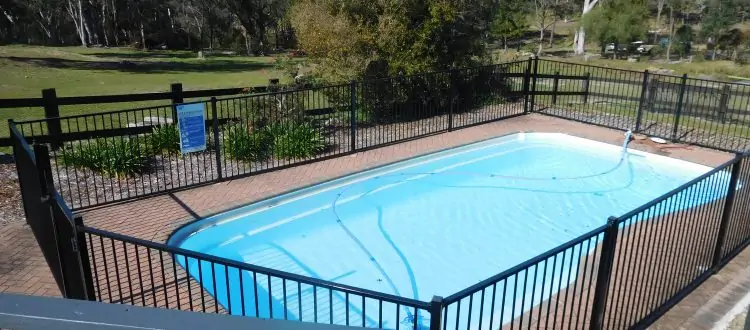
Owning a pool in Australia comes with legal responsibility. Every pool and spa must have a compliant safety barrier, and that barrier needs regular checks. When you book an inspection, pool fence certifiers in Sydney assess your barrier against the standards set out in AS 1926.1 and local council rules. Knowing what they look for helps you prepare and avoid a failed inspection.
Pool fence certifiers in Sydney see the same faults again and again. Most issues come down to wear, poor maintenance, or small changes made around the yard over time. The good news is that many problems are simple to fix once you know what to check. Below are the most common issues flagged during an inspection.
Faulty gate latches and hinges
The gate is the most inspected part of any barrier, and certifiers in Sydney spend a lot of time here. The gate must be self-closing and self-latching from any position. If you push it open and it does not swing shut and lock on its own, it fails. The latch release must sit at least 1.5 metres above ground level, or be positioned correctly if lower. Worn hinges, sagging gates, and props used to hold a gate open are frequent reasons for a failed check.
Incorrect fence height
Your barrier must measure at least 1.2 metres high, measured from the finished ground level on the outside. Certifiers check the full length of the fence, not just one section. Sloping ground, garden beds, and retaining walls can reduce the effective height in places. Even a short low spot can cause a failure.
Gaps and spacing problems
Gap measurements are strict. The space below the fence cannot exceed 100 millimetres from the ground. Vertical gaps between bars must also stay under 100 millimetres. Horizontal rails spaced less than 900 millimetres apart can create footholds that let children climb, so these are watched closely. Certifiers carry gauges to measure every gap precisely.
Climbable objects in the non-climbable zone
A clear zone must surround the barrier. On the outside, you need 900 millimetres free of anything a child could climb. This includes pot plants, outdoor furniture, pool pumps, trees, and BBQs. Objects left too close to the fence are one of the easiest faults to fix, yet they trip up many pool owners.
Structural integrity
A barrier must be sturdy. Loose posts, rusted panels, cracked glass, rotting timber, and wobbly sections all raise concerns. The fence needs to stay firm under pressure. Any damage that weakens the barrier will be noted.
Doors and windows with pool access
If a wall forms part of the barrier, any door or window opening onto the pool area must meet specific rules. Windows need restricted opening or fixed screens, and doors must not open directly into the pool zone unless compliant.
Check these areas before your inspection. A quick walk around the pool with a tape measure can save you time, stress, and a repeat visit.