

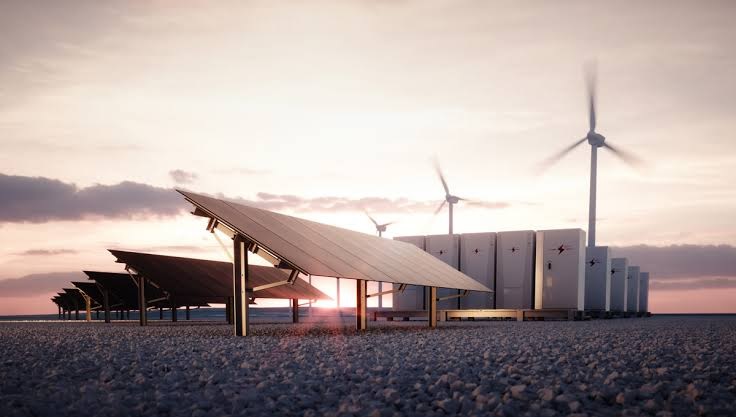
Thai manufacturers and commercial operators face rising electricity costs and growing pressure to cut carbon emissions. A private wire PPA offers a direct route to address both. Under this model, a generator connects renewable capacity, often solar, straight to a business site through a dedicated cable rather than the public grid. The result is cleaner power delivered at a predictable price for a fixed term.
The appeal of a private wire PPA lies in its financial structure. Businesses agree to buy electricity from an on-site or nearby generator at a set rate, usually below the retail tariff. Because the power bypasses the national transmission network, users avoid many grid charges and transmission fees. For energy-intensive operations in Thailand’s industrial estates, these savings add up quickly across a long contract period.
Price stability matters just as much as the headline rate. Thailand imports a large share of its natural gas, which exposes electricity tariffs to global fuel swings and currency movements. A private wire PPA locks in a rate for ten to twenty years, giving finance teams a reliable figure to plan around. This certainty supports better budgeting and stronger investment decisions across the business.
Lower costs without upfront capital
One barrier to on-site renewables has always been the capital outlay. Solar arrays, inverters and connection infrastructure require substantial investment. Private wire arrangements often remove this hurdle. A third-party developer funds, builds and maintains the generation asset, while the business simply pays for the electricity it uses. Companies gain clean power and cost savings without tying up cash or taking on maintenance duties.
This structure suits Thai firms that want to protect working capital for core operations. It also shifts technical risk to the party best equipped to manage it. The developer handles performance, repairs and system upgrades over the contract life.
Meeting sustainability targets
Corporate buyers, particularly exporters serving European and North American markets, now face strict expectations on emissions reporting. Many global brands ask suppliers to demonstrate renewable sourcing. A private wire arrangement provides clear, traceable proof that a facility runs on clean electricity, since the generation asset connects directly to the site.
For Thai businesses in electronics, automotive parts and food processing, this traceability helps secure and retain contracts with sustainability-focused customers. It also supports compliance with tightening domestic and international carbon rules.
Reliability and energy security
Grid reliability affects productivity. On-site generation paired with the public supply can reduce exposure to outages and voltage issues. While a private wire system does not remove grid dependence entirely, it adds a stable local source that eases pressure during peak demand or supply disruption.
Weighing the commitment
Long contracts demand careful review. Businesses should assess site suitability, roof or land availability, projected consumption and the financial health of the developer. Legal terms around asset ownership at contract end also deserve attention.
For many Thai industrial and commercial operators, the numbers make a strong case. Predictable pricing, reduced costs, verified clean energy and improved resilience combine to support a practical, forward-looking energy strategy.