

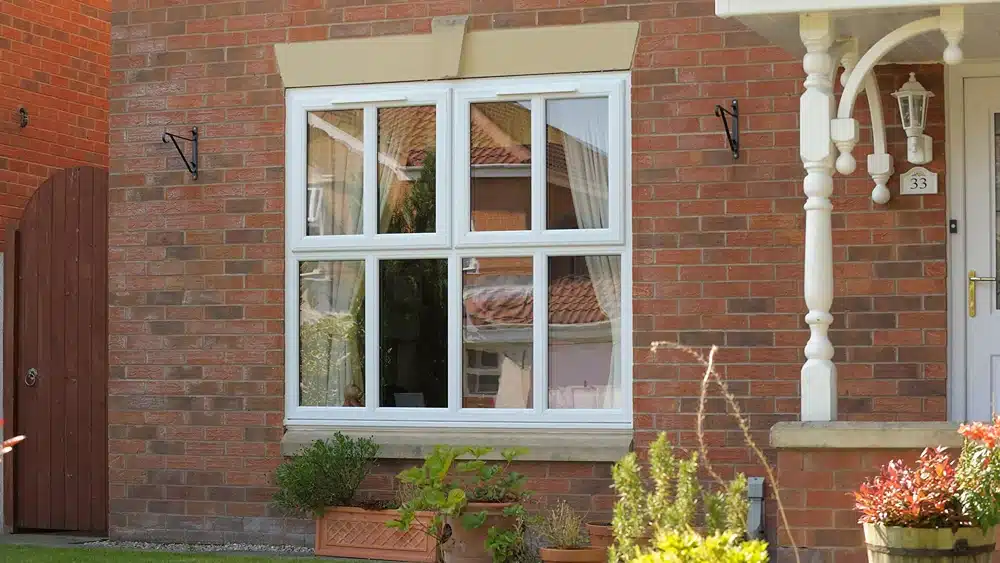
Cold spots around bay windows, condensation on older units and draughts through tired frames are common frustrations in Glasgow homes, so it is no surprise that many homeowners start researching double glazed windows in Glasgow when comfort becomes a daily issue rather than a cosmetic concern.
Glasgow has a varied housing mix, from sandstone tenements and Victorian terraces to post-war semis, modern flats and suburban family homes. Each property type brings different considerations. A window that looks right on a newer development may feel out of place on a traditional frontage, while older properties may need careful attention to proportions, ventilation and planning considerations.
Energy Efficiency Is A Practical Priority
Heating costs have made many homeowners look more closely at how their properties retain warmth. Windows are not the only factor in home efficiency, but poor glazing, draughty frames and weak seals can all make rooms feel colder than they should.
Double glazing helps by creating an insulating gap between panes of glass, reducing heat transfer compared with single glazing. In a city where damp, wind and colder weather can be regular concerns, better-performing windows can make a noticeable difference to comfort.
The frame material also matters. uPVC remains popular because it is low maintenance, cost-effective and performs well for many UK homes. Aluminium can suit more contemporary designs, while timber may be appropriate for certain period properties, though it usually needs more maintenance.
Glasgow Weather Puts Windows To The Test
Windows in Glasgow need to cope with more than just winter cold. Rain, wind and changing temperatures can all expose weaknesses in poor-quality installations. A window may look fine at first glance, but if it is badly fitted, draughts, leaks and condensation issues can follow.
This is why installation quality matters as much as the product. Correct measuring, sealing, fitting and finishing help ensure the window performs properly. A high-specification unit will not deliver its full benefit if installed carelessly.
Homeowners should also think about ventilation. Modern windows are designed to reduce heat loss, but homes still need air movement to manage moisture. Trickle vents, opening styles and room use should all be considered, especially in kitchens, bathrooms and bedrooms.
Style Should Respect The Property
Window design affects kerb appeal. The wrong frame style, bar pattern or colour can change the character of a house more than expected. In Glasgow’s older streets, where neighbouring homes often share similar proportions, sympathetic choices can help maintain the appearance of the building.
For period-style homes, details such as sash-style windows, slim sightlines or traditional proportions may be worth considering. For newer homes, clean casement designs or modern finishes may work better.
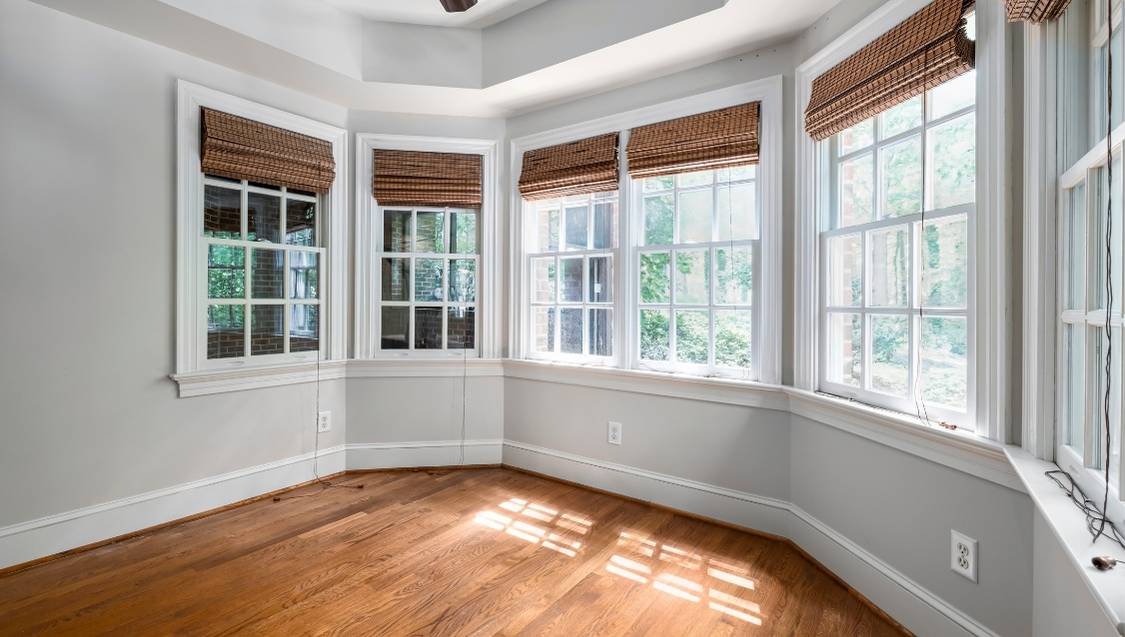
It is also worth checking whether the property sits in a conservation area or has any restrictions. Some changes may need approval, particularly in sensitive areas or listed buildings. Even where permission is not required, choosing a style that suits the surrounding architecture is usually the better long-term decision.
Security And Everyday Use Matter Too
Windows are used constantly, so practical details should not be overlooked. Locking systems, handle positions, easy-clean hinges and opening options can all affect daily use. For upper floors, cleaning access may be particularly important.
Security is another key consideration. Modern double glazed windows can include strong locking mechanisms and robust frames, helping improve peace of mind. This is especially useful for ground-floor rooms, accessible side windows or homes close to public paths.
Noise reduction may also influence the decision. Homes near busy roads, rail lines, schools or nightlife areas may benefit from improved glazing performance, although specialist acoustic glass may be needed where noise is a major concern.
A Long-Term Home Improvement
Good replacement windows should feel like part of the home, not an afterthought. They should improve comfort, reduce draughts, suit the building and stand up to local weather conditions.
Before choosing, homeowners should compare product quality, guarantees, installation standards and the suitability of the style for their property. The best result is not simply the newest-looking window. It is one that performs well, looks right and supports the way the home is lived in every day.