

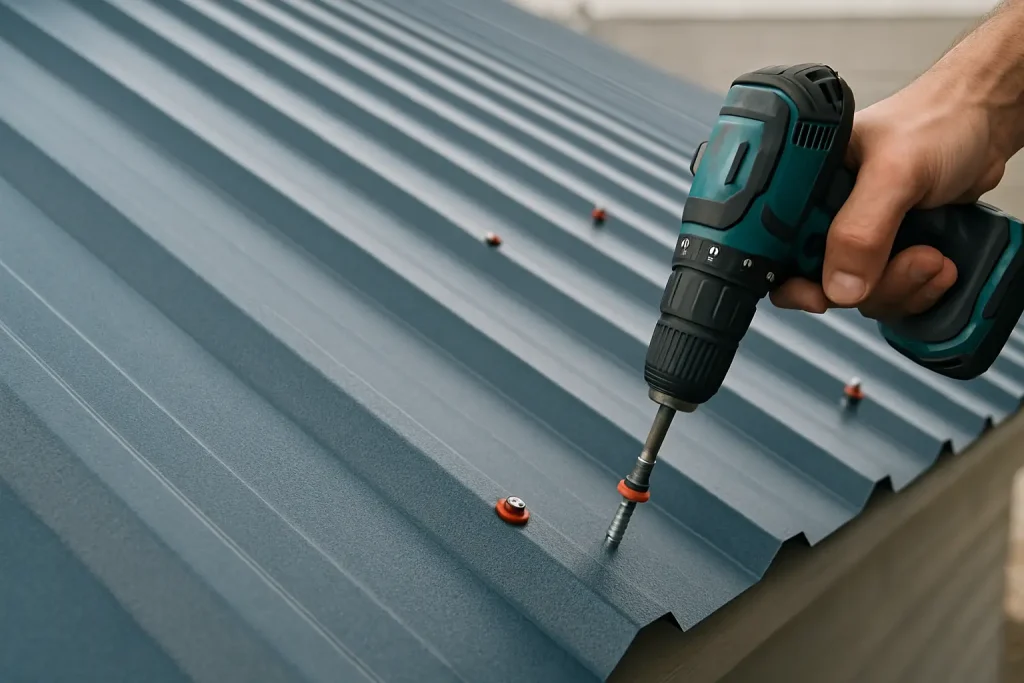
A roof is only as reliable as the components holding it together, and well-chosen roofing screws can make the difference between a neat, secure installation and one that develops avoidable problems later. Whether the work involves metal sheets, rooflights, flashings, cladding or agricultural buildings, fixings need to be selected with the same care as the roofing material itself.
In the UK, roofing systems face a demanding mix of weather. Rain, wind, frost, UV exposure and seasonal expansion all put pressure on fixings. A screw may seem like a minor item on a materials list, but once installed, it becomes part of the roof’s long-term performance.
Roofing Screws Have A Specific Job To Do
Roofing screws are designed to secure materials while helping protect against water ingress. They often include a bonded washer that seals around the fixing point when compressed correctly. This is especially important on metal roofing, where every penetration through the sheet needs to be controlled.
A general-purpose screw is rarely suitable for roofing work. It may lack the right point, coating, washer or thread design. Over time, that can lead to loose fixings, leaks, corrosion or damage to the roofing sheet.
The correct screw should match the application. Fixing into timber, steel or existing roof structures will require different specifications.
Installation Technique Affects Performance
Even the right screw can fail if it is installed poorly. The angle, speed, torque and pressure all matter. A screw driven at an angle may not seal properly. Over-tightening can squash or split the washer. Under-tightening can leave a gap where water can enter.
On profiled metal roofing, placement is also important. Fixings must be positioned according to the roofing system and manufacturer guidance. Some applications require fixing through the crown of the sheet, while others may use different positions depending on the profile and substrate.
Good roofing work is methodical. Each fixing should contribute to the overall weatherproofing and stability of the roof.
Wind Uplift Is A Real Consideration
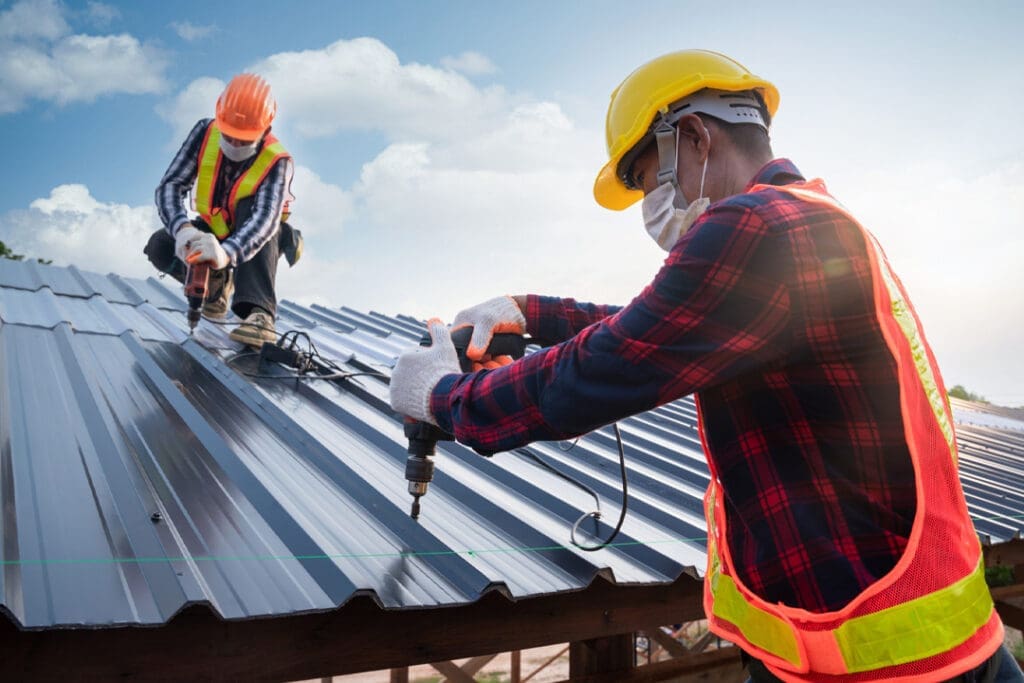
Roof fixings are not only there to stop sheets sliding out of place. They help resist wind uplift, which can be significant on exposed sites, open farmland, industrial estates and taller buildings.
The UK has plenty of locations where roofs face strong winds, particularly in rural, coastal and elevated areas. Fixing patterns, screw specification and substrate strength all influence how well a roof performs under pressure.
Using too few fixings, the wrong type or unsuitable lengths can weaken the installation. This may not be obvious in calm weather, but weaknesses can appear during storms or prolonged exposure.
Corrosion Can Shorten Roof Life
Roofing screws are exposed to moisture, temperature changes and atmospheric conditions. If the coating or material is not suitable, corrosion can develop. This can cause staining, weaken the fixing and compromise the seal around the screw.
Corrosion risk varies by setting. A standard garden outbuilding, an agricultural shed, a commercial roof and a coastal workshop may each need different levels of protection. In agricultural environments, moisture and airborne contaminants can be particularly harsh on fixings.
Choosing screws with appropriate corrosion resistance is not over-specifying. It is part of making the roof last.
Small Details Protect The Whole System
A roof may involve large sheets, flashings, trims, insulation and drainage, but fixings are what hold many of those elements in place. If they are poor quality or incorrectly chosen, the whole system becomes more vulnerable.
For trades, reliable fixings also save time. Screws that drill cleanly, grip properly and seat consistently help create a better finish. They also reduce call-backs, which is often where cheap fixings become expensive.
A well-built roof depends on good materials and careful installation. Roofing screws may be small, but their role is essential. When selected correctly and fitted with care, they support the strength, weather resistance and lifespan of the entire roof.