


Rushing the Decision Without Enough Research
Buying flooring for the first time can feel overwhelming. There are countless materials, finishes, price points and fitting options to consider, and it’s easy to make quick decisions just to move the project along. However, rushing often leads to choices that don’t suit the space, lifestyle or long-term expectations.
Many first-time buyers begin their search by browsing Falkirk carpet stores or online catalogues without first thinking through what they actually need. A clear plan makes the process smoother and reduces the chance of expensive mistakes later on.
Taking time to understand room usage, foot traffic, cleaning needs and budget range allows you to narrow down options early. Flooring is a long-term investment, so treating the decision with care usually pays off in durability and satisfaction.
Choosing Style Over Practicality
One of the most common mistakes is prioritising appearance above function. A floor may look beautiful in a showroom but perform poorly in a busy household or moisture-prone space. Light coloured carpets may show stains easily, glossy surfaces may highlight scratches, and delicate materials may struggle in high-traffic areas.
Every room has different demands. Kitchens require water resistance and easy cleaning. Hallways need durability and grip. Bedrooms benefit from comfort and warmth. Matching the flooring type to how the room is used helps avoid premature wear and unnecessary replacement costs.
It’s also important to think about long-term maintenance. Some flooring types require more regular cleaning or specialist products. If your schedule is busy, a low-maintenance option may be more realistic than something that needs frequent attention.
Underestimating Installation and Preparation
Another frequent oversight is failing to account for subfloor condition and installation requirements. Uneven or damaged subfloors can affect how well new flooring performs, leading to noise, movement or visible defects over time.
Some flooring materials need additional preparation such as levelling compounds, moisture barriers or specific underlays. Skipping these steps to save time or money often results in higher costs later when repairs become necessary.
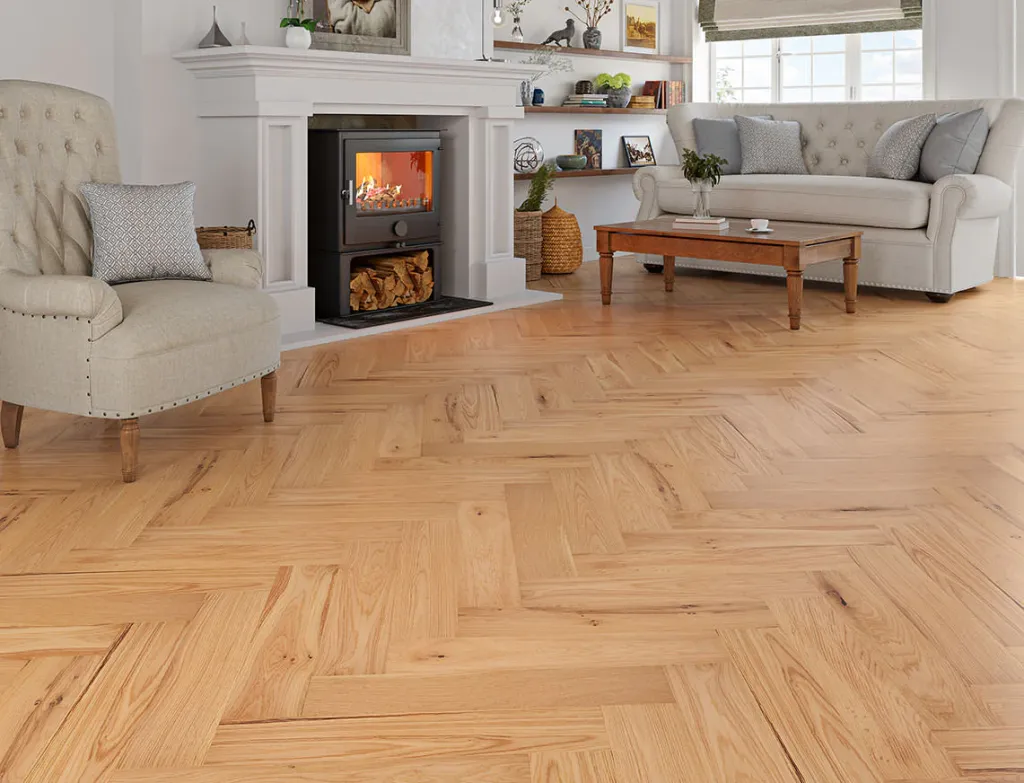
Installation complexity also varies. Some products are suitable for confident DIY projects, while others benefit greatly from professional fitting. Knowing this upfront helps avoid delays and unexpected labour costs.
Forgetting About Measurement Accuracy
Incorrect measurements can quickly derail a flooring project. Ordering too little material risks delays if matching stock becomes unavailable. Ordering too much wastes money and storage space.
Always measure carefully, including alcoves, doorways and awkward corners. Add a sensible allowance for cutting and waste, especially for patterned flooring or rooms with unusual layouts. Double-checking measurements before placing an order saves stress later.
It’s also helpful to consider how flooring flows between rooms. Transitions, door thresholds and expansion gaps need space and planning.
Overlooking Long-Term Value
Price often drives early decisions, but the cheapest option isn’t always the best value. A lower-cost product that wears quickly or requires replacement sooner can end up costing more overall than a slightly higher-quality alternative.
Look beyond upfront price and consider lifespan, warranty, maintenance costs and repair options. Flooring that retains its appearance and performance for longer usually offers better overall value and reduces disruption to your home.
Making informed decisions from the start helps ensure your flooring choice delivers comfort, durability and satisfaction for many years.